
Trex composite decking is a wood-alternative decking material made from a blend of reclaimed wood fibres and recycled plastic. It is designed to look like timber while reducing the maintenance that usually comes with a traditional wood deck.
Trex composite decking is popular because it offers a cleaner, longer-lasting surface with fewer upkeep demands.
It still needs proper installation and basic cleaning, but it is built to resist many of the problems that make wood decks harder to maintain over time.
Related Article: Benefits of Trex Composite Decking
Trex Composite Decking Explained
Trex is a brand of composite decking. The boards are made by combining wood fibres with plastic, then forming that material into deck boards with a finished outer surface.
The result is a board that looks similar to wood but performs differently. It does not need to be stained. It does not splinter like timber. It is also made to resist rot, moisture damage, and insect issues better than traditional wood decking.
That makes Trex a practical choice for backyards that see regular use. It can work for:
- Main backyard decks
- Raised decks
- Poolside areas
- Outdoor dining spaces
- Lounge areas
- Decks connected to patios or landscaping
- Family yards with children or pets
What Trex Decking Is Made From
Trex decking is made from a mix of recycled plastic and reclaimed wood fibres. The wood fibre gives the board structure and a natural-looking texture. The plastic helps protect the board from moisture and outdoor wear.
Many Trex boards also include a protective shell or cap around the outside. This outer layer helps improve resistance to stains, fading, scratches, and weather exposure.
Related Article: PVC vs. Composite Decking: What’s the Difference?
Trex vs Wood Decking
Wood decking and Trex decking can both create a beautiful outdoor space. The difference is how they behave after installation.
Wood has a natural look and a lower starting cost in many cases. It can be a good fit when homeowners want a traditional material and are comfortable with ongoing maintenance.
Trex is different. It costs more upfront than many pressure-treated wood options, but it reduces several long-term upkeep tasks.
Here is the practical comparison:
| Feature | Wood Decking | Trex Composite Decking |
|---|---|---|
| Maintenance | Needs staining, sealing, and sanding | Needs basic cleaning |
| Splinters | Can splinter over time | Splinter-resistant surface |
| Moisture | Can rot if neglected | Built to resist moisture damage |
| Insects | Can attract pests | Resists insect damage |
| Colour | Weathers and changes | Holds a more consistent appearance |
| Upfront cost | Often lower | Often higher |
The better option depends on your priorities. If upfront cost is the main concern, wood may be more appealing. If long-term ease matters more, Trex may be the stronger choice.
Related Article: TimberTech vs Trex: Which Composite Decking Is Right for You?
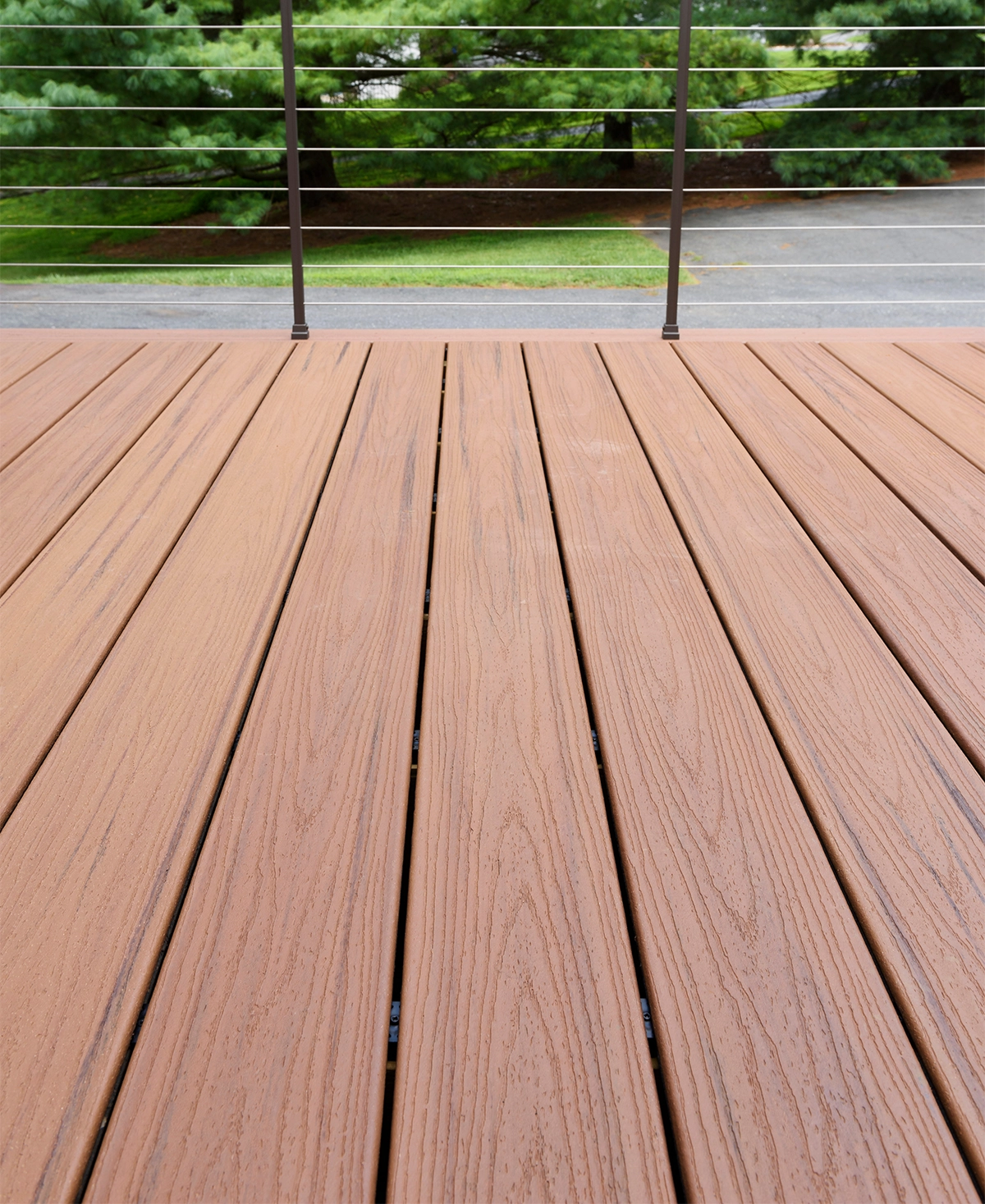
Key Benefits of Trex Composite Decking
Trex is often chosen because it solves common deck problems in a straightforward way.
Less Seasonal Maintenance
Wood decks can look great, but they need work. Stain fades. Boards dry out. Surfaces become rough. Fasteners loosen. Moisture can cause problems if maintenance is delayed.
A Cleaner Surface For Everyday Use
Trex gives you a smoother, splinter-resistant surface. This makes it more comfortable for family use, especially in active backyards.
Better Resistance to Rot and Insects
Because Trex is not traditional timber, it does not rot in the same way wood can. It also resists insect damage, which can be a major concern with older or poorly maintained wood decks.
This is especially useful in areas where decks face moisture, shade, fallen leaves, and seasonal weather changes.
Strong Design Flexibility
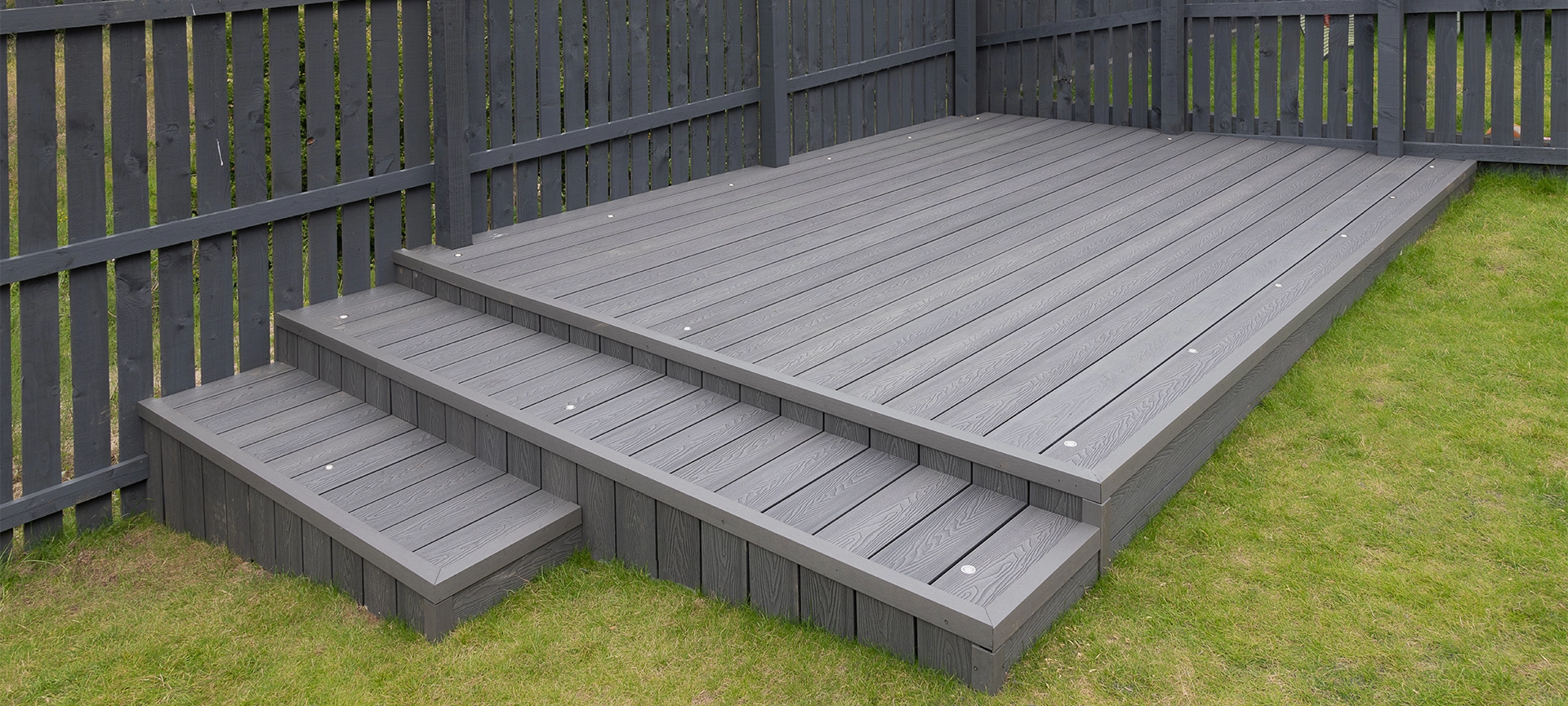
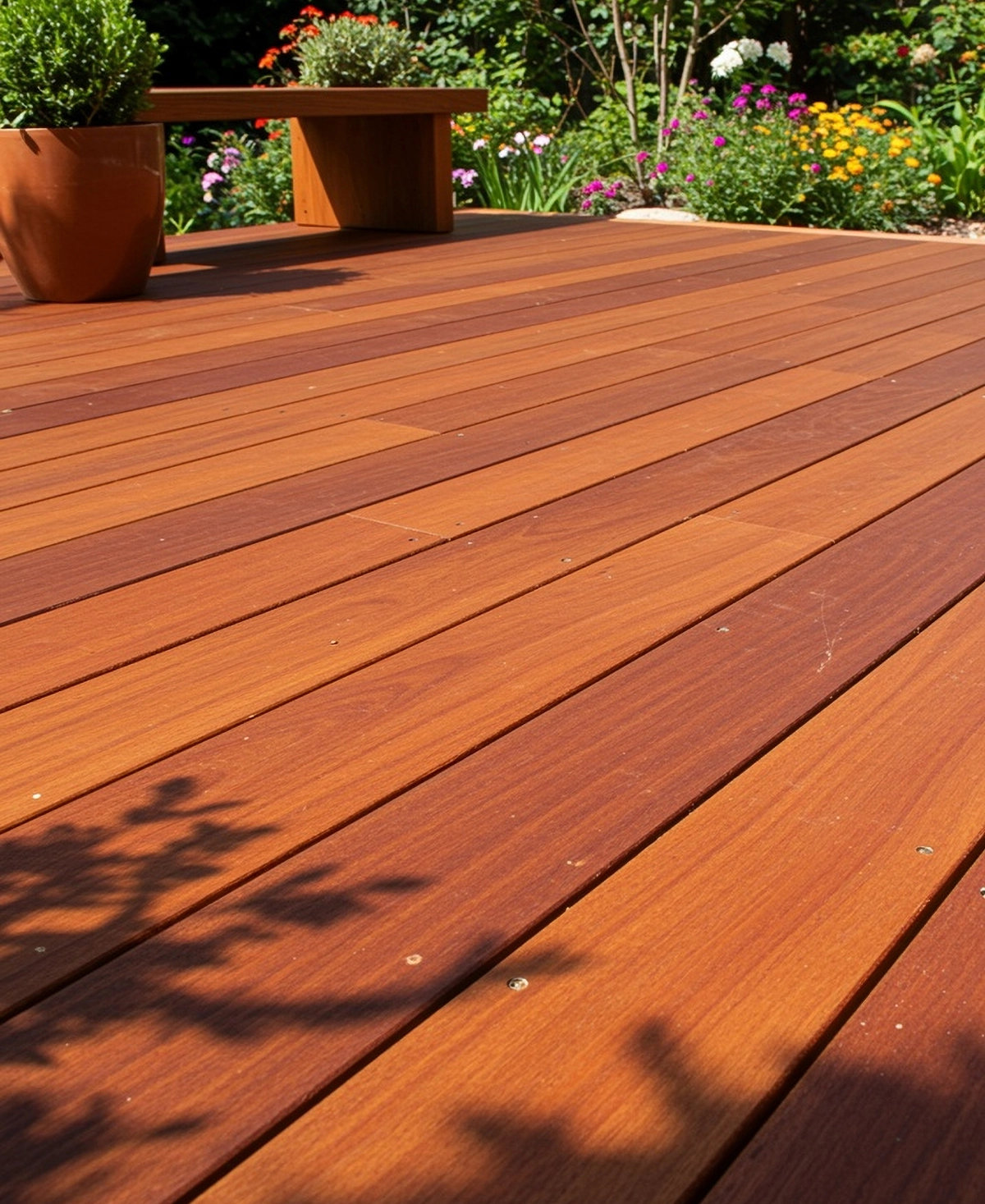
Trex boards come in different tones and finishes. Some colours look like warm brown timber. Others lean grey, charcoal, or multi-tonal for a more modern finish.
This makes it easier to match the deck with:
- Brick or stonework
- Siding colour
- Patio materials
- Garden beds
- Fencing
- Outdoor furniture
- Railing styles
Where Trex Decking Works Best
Trex composite decking can work in many outdoor layouts if the design is planned properly.
It is especially useful for busy homeowners who want a deck that looks polished without constant refinishing. It also suits families who use their outdoor space often during spring, summer, and fall.
Trex can be a strong fit for:
- Raised decks: The finished surface stays clean and consistent, especially when paired with proper stairs, railings, and skirting.
- Poolside decks: The splinter-resistant surface is useful around barefoot areas.
- Outdoor dining zones: Spills are easier to clean than on untreated or weathered timber.
- Small backyards: A clean deck surface can make a compact yard feel more organized.
- Backyard renovations: Trex pairs well with fencing, patios, lighting, planting, and privacy features.
For properties in the Greater Toronto Area, weather matters. A deck may face hot sun, heavy rain, snow, ice, and freeze-thaw cycles. The right material and installation method both affect long-term performance.
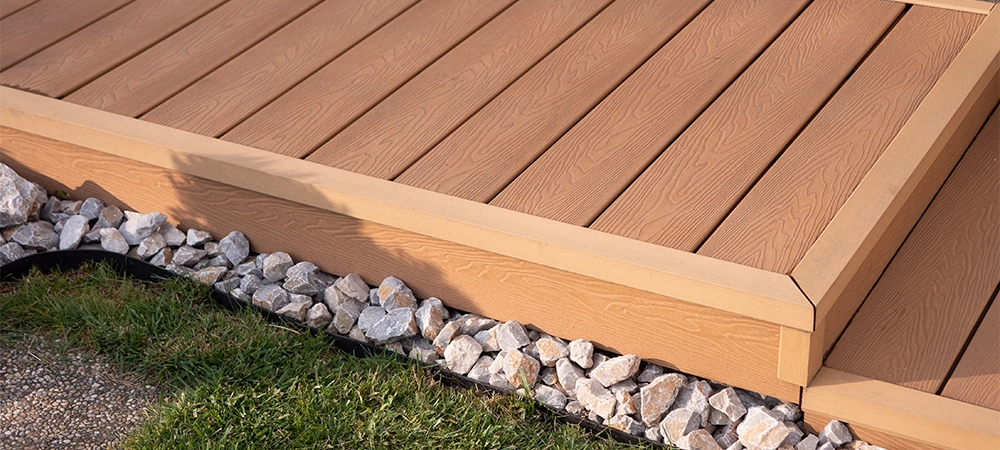
Design Options For Trex Decks
Trex decking is available in several colours, board styles, and finish levels. That gives homeowners room to match the deck to the property rather than settling for one standard look.
A lighter board can help brighten a shaded backyard. A darker board can create a sharp modern finish. A warmer brown tone can suit homes with brick, stone, or natural landscaping.
The design should consider more than colour. A good deck plan also looks at:
- Board direction
- Border boards
- Fascia details
- Stair design
- Railing style
- Lighting
- Privacy screens
- Furniture placement
- Access from the house to the yard
Small decisions can change the final result. For example, picture-frame borders can make the deck look more finished. Built-in lighting can improve evening use. Matching fascia can hide framing and give the deck a cleaner edge.
Maintenance and Care
Trex is low-maintenance, but it is not no-maintenance. Like any outdoor surface, it collects dirt, pollen, food spills, leaves, and seasonal debris.
A simple care routine is usually enough:
- Sweep leaves and dirt regularly.
- Rinse the deck when dust or pollen builds up.
- Clean spills before they sit too long.
- Use warm soapy water and a soft-bristle brush for general cleaning.
- Keep gaps between boards clear so water can drain.
- Use a plastic shovel for snow instead of a metal one.
Avoid harsh cleaners unless they are approved for the specific Trex product. Strong chemicals, abrasive tools, or incorrect pressure washing can damage the surface.
Related Article: How to Clean Trex Decking
Cost and Long-Term Value
Trex composite decking usually costs more to install than pressure-treated wood. That can make the initial quote higher, especially for larger decks with stairs, railings, borders, and custom details.
The value is in the years after installation.
With wood, maintenance costs can add up through staining, sealing, sanding, board repairs, and labour. With Trex, those recurring tasks are reduced. That can make the long-term cost more attractive for homeowners like you who want fewer maintenance demands.
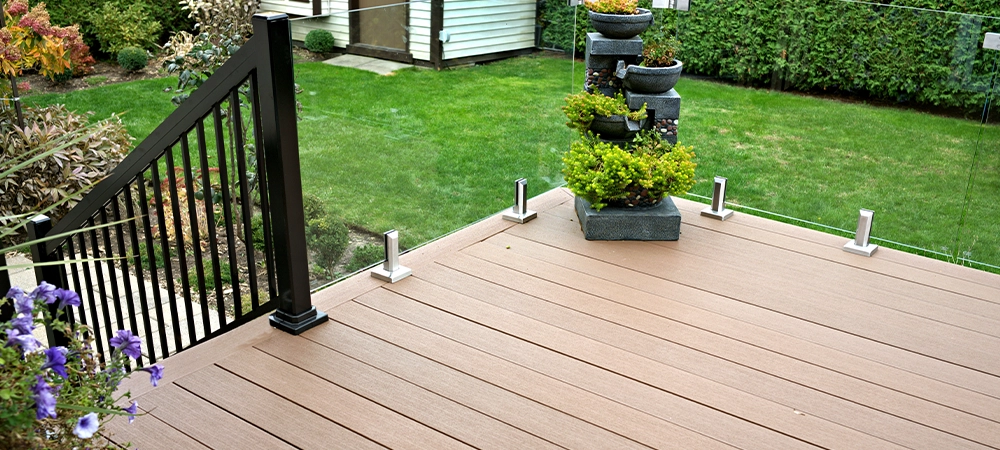
Build a Deck That Fits Real Life
Trex composite decking gives homeowners a practical way to create a better outdoor living space without the constant upkeep of traditional wood. It offers the look of timber, stronger resistance to common deck problems, and enough design flexibility to suit many backyard styles.
Green Side Up Contracting builds custom decks for homeowners across the Greater Toronto Area and York Region.
If you are considering Trex composite decking, our team can help you compare options, plan the layout, and build a deck that works for the way you actually use your yard.
Give us a call and be informed of the beauty of Trex decking.
Frequently Asked Questions
How long does Trex composite decking last?
Trex composite decking can last for decades with proper installation and care. Its lifespan depends on the product line, framing quality, drainage, sun exposure, and maintenance. Regular cleaning helps protect the surface and keeps the deck looking better over time.
Does Trex decking get hot in the sun?
Yes, Trex decking can get hot in direct sunlight, especially in darker colours. Lighter shades usually feel cooler underfoot. For sunny backyards, consider shade planning, furniture placement, pergolas, umbrellas, or lighter board colours to improve comfort.
Can Trex be installed over an existing deck frame?
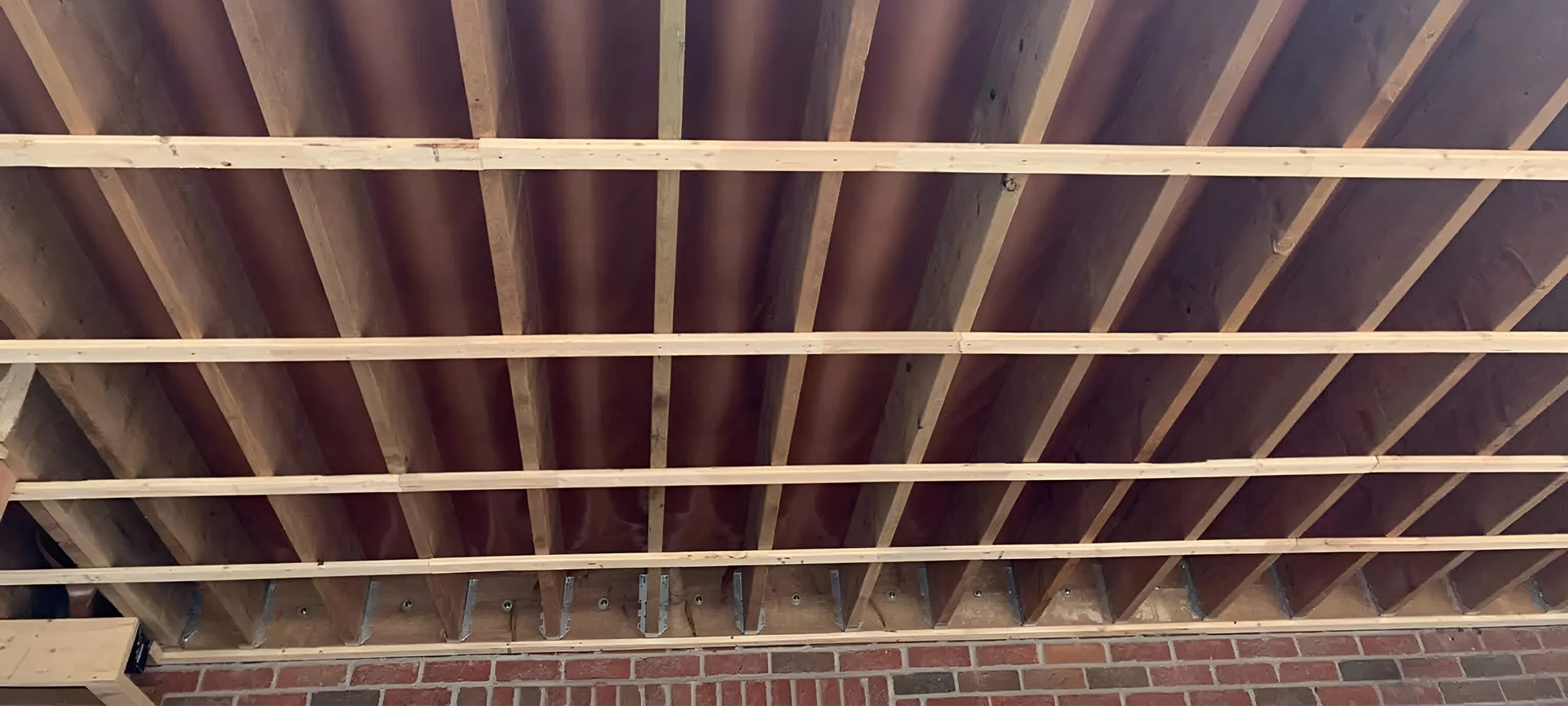
Trex can sometimes be installed over an existing frame if the structure is solid, level, properly spaced, and code-compliant. A contractor should inspect the joists, beams, posts, footings, and ventilation before reusing any old deck framing.
Is Trex decking good around pools?
Trex can work well around pools because it resists splintering, moisture damage, and everyday wear. Proper installation, drainage, cleaning, and board choice still matter. Pool chemicals and wet foot traffic should be managed with regular rinsing and routine care.
Can Trex decking be repaired if it gets damaged?
Minor surface marks can often be cleaned or reduced, depending on the Trex product line and type of damage. Deep scratches, burns, or cracked boards may require board replacement. Proper furniture pads and approved cleaning methods help prevent avoidable damage.