
Installing a custom pool in your backyard is a significant pool investment that enhances your home’s enjoyment, transforms your outdoor space, and can even increase your property value. Whether you’re seeking a tranquil retreat, a social hub, or a family gathering spot, choosing the right pool type is essential to achieving long-term satisfaction. Among the most popular inground pool options are vinyl liner pools and fiberglass pools. This guide will help you make an informed decision by comparing these two pool types differently, focusing on durability, costs, maintenance, construction and installation, and more. At Green Side Up Contracting, we specialize in custom swimming pool design, construction, and installation, ensuring your pool integrates perfectly with your backyard vision. When you hire us, we’ll do a detailed walkthrough of your material options and which choice will help you complete your vision.
Popular Pool Types
There are three main options for a pool liner: vinyl, fiberglass, and gunite. Gunite is a type of dry-mix concrete known for making a strong, long-lasting pool, but it’s also a liner that isn’t the most comfortable and can be higher-maintenance. It can be tougher on swimmers when they rest against the pool walls or accidentally graze the material. Today, we’re going to set gunite aside and focus on vinyl vs. fiberglass pools. Related Article: Vinyl, Fiberglass or Concrete? Pros and Cons
Understanding Vinyl and Fiberglass Pools
Your pool liner is the crucial material that covers the base and walls of your pool, protecting the pool shell and defining the pool’s look and feel. It also plays a vital role in maintaining structural integrity, preventing leaks, reducing algae growth, and providing a non-abrasive surface for swimmers.
Vinyl Liner Pools
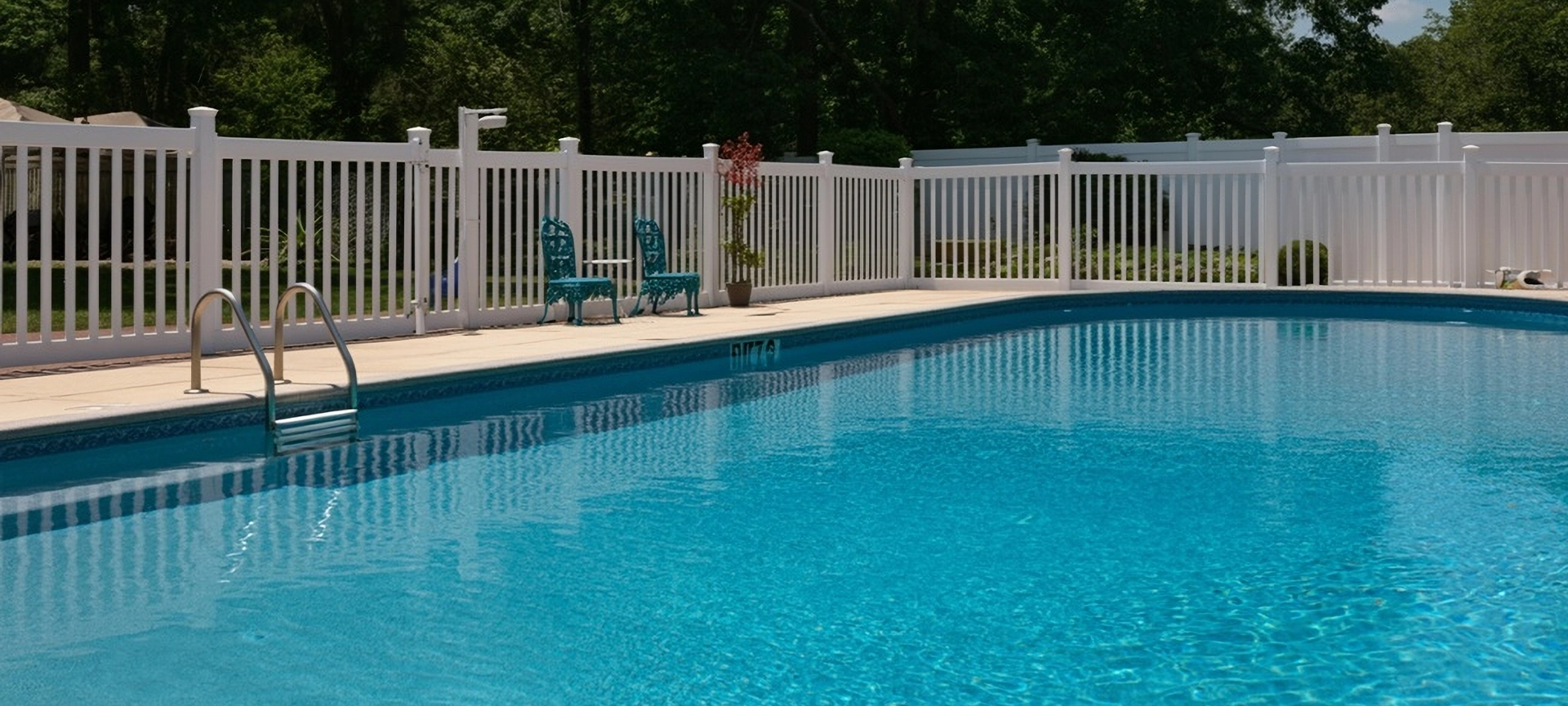
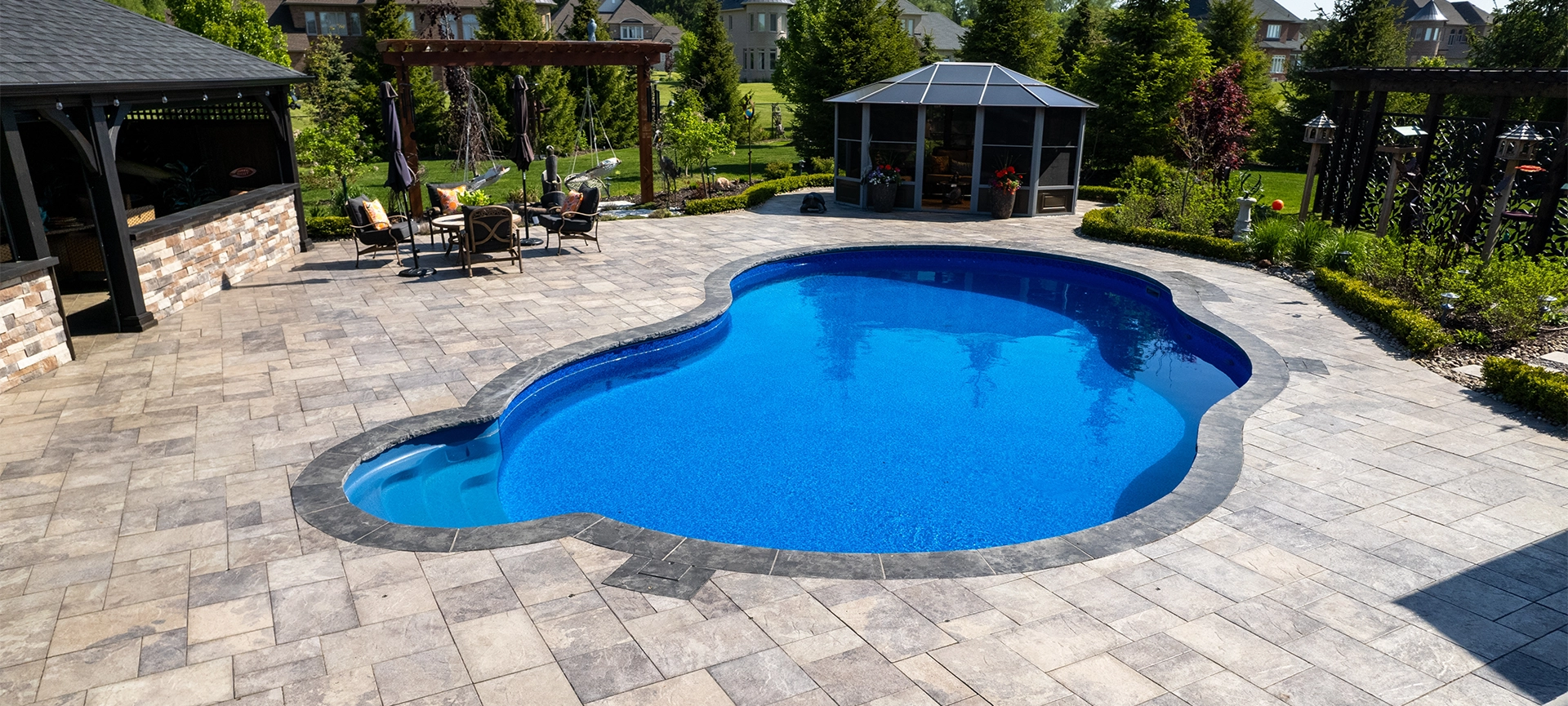
A vinyl liner pool typically consists of a steel or polymer frame covered by a custom-fitted vinyl liner. This liner acts as a waterproof barrier and is smooth to the touch, offering a comfortable swimming surface. Vinyl pools are known for their customizability, accommodating various shapes, sizes, and depths, including deep ends over 8 feet and unique designs like beach entries.
Fiberglass Pools
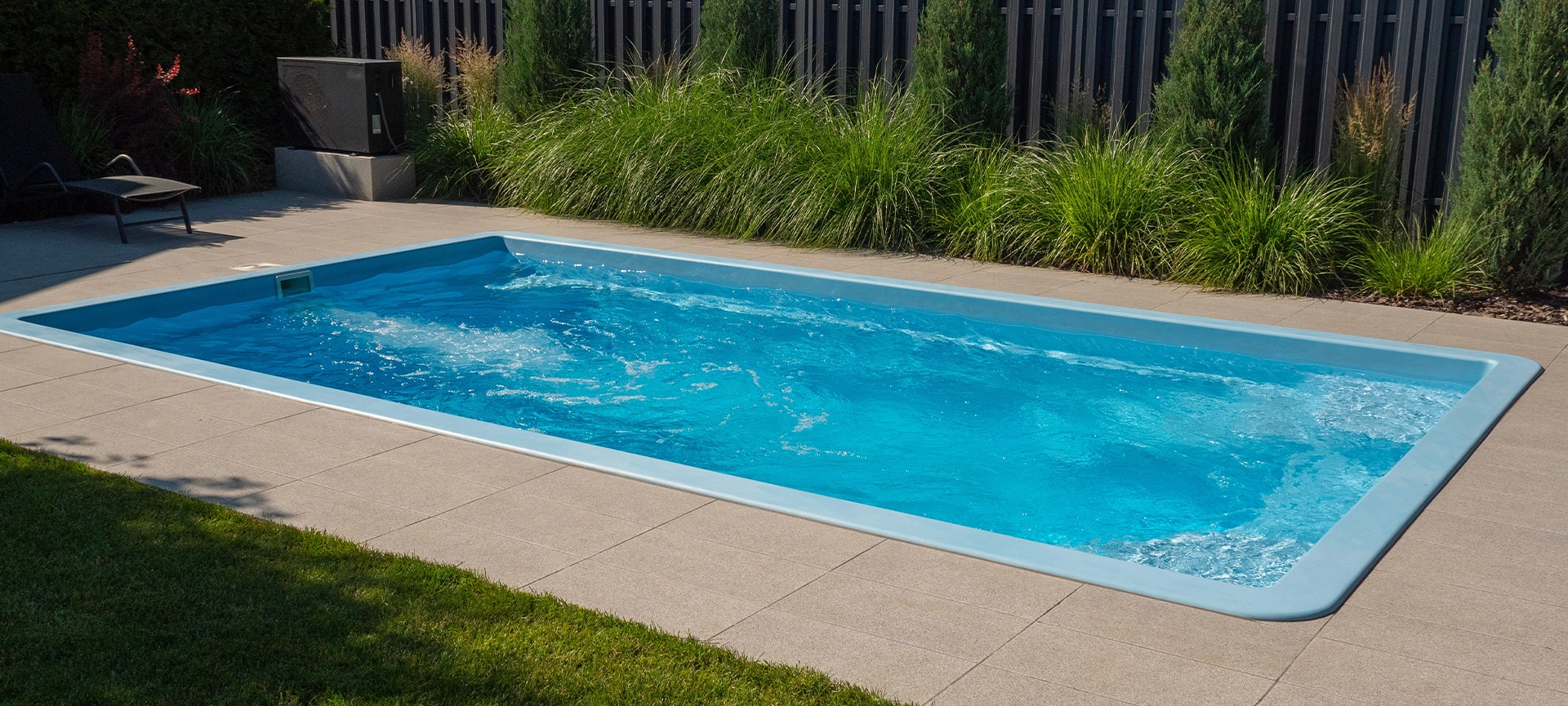
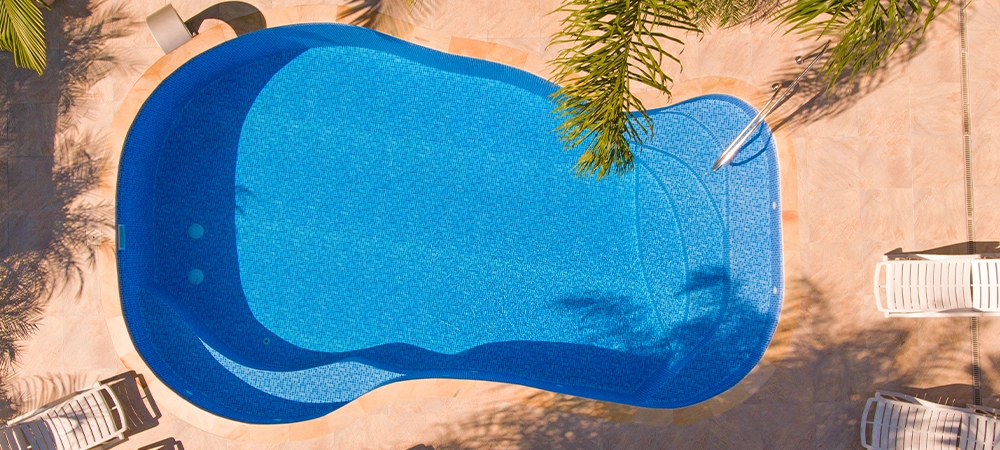
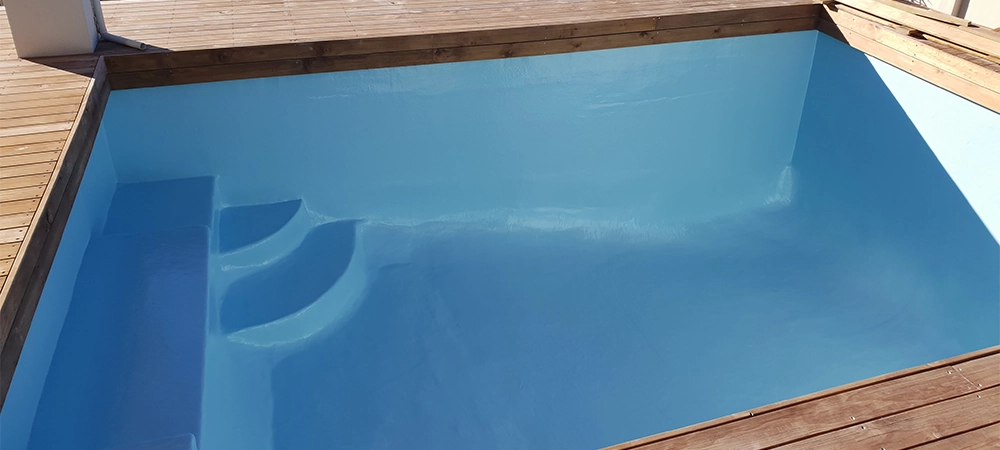
Fiberglass pools are factory-manufactured shells made from composite materials with a smooth, non-porous surface and a durable gel coat finish. These fiberglass shells are delivered as a single unit and installed quickly. Their exceptional durability and resistance to algae make them a low-maintenance option favoured by many homeowners.
Durability and Maintenance: Vinyl vs Fiberglass
Durability
Fiberglass pools are widely regarded for their long-lasting durability. Their seamless construction means there are no seams to tear, and the gel coat finish resists wear and fading. Fiberglass pools maintain their structural integrity for 20-30 years or more with minimal repairs. In contrast, vinyl liners typically need replacement every 6 to 10 years, depending on pool maintenance, climate, and water chemistry. Vinyl liners can become brittle or fade faster if the chemical balance is not properly maintained, and they are vulnerable to damage from sharp objects such as pet claws or debris.
Maintenance Requirements
Fiberglass pools require less maintenance time and fewer chemicals due to their smooth, non-porous surface that inhibits algae growth. This leads to lower chemical usage and easier cleaning. Vinyl pools, while initially more affordable, demand more vigilant pool maintenance to keep water chemistry balanced and prevent liner damage. Regular inspections for tears and wrinkles are essential, and liner repairs or replacements contribute to higher long-term costs.
Initial and Long-Term Costs
Initial Investment
One of the key differences between vinyl and fiberglass pools is the initial cost. Vinyl pools generally offer a lower upfront price, making them an accessible entry point for many homeowners. You may get a larger pool for your budget with vinyl. Fiberglass pools have a higher initial cost due to factory manufacturing and delivery logistics. However, this upfront investment often pays off in reduced maintenance and longer lifespan.
Long-Term Costs
When it comes to yearly costs, fiberglass is going to be the more affordable material. You’re more likely to have to repair the vinyl lining year-to-year. Vinyl pool liner repair can patch up minor tears and wrinkles, saving you the cost of a full replacement, but it’s still something you’ll have to look for every year before filling the pool back up. Inquire about our residential landscaping maintenance to find out more about annual maintenance costs in your backyard.
Installation Process and Timeline
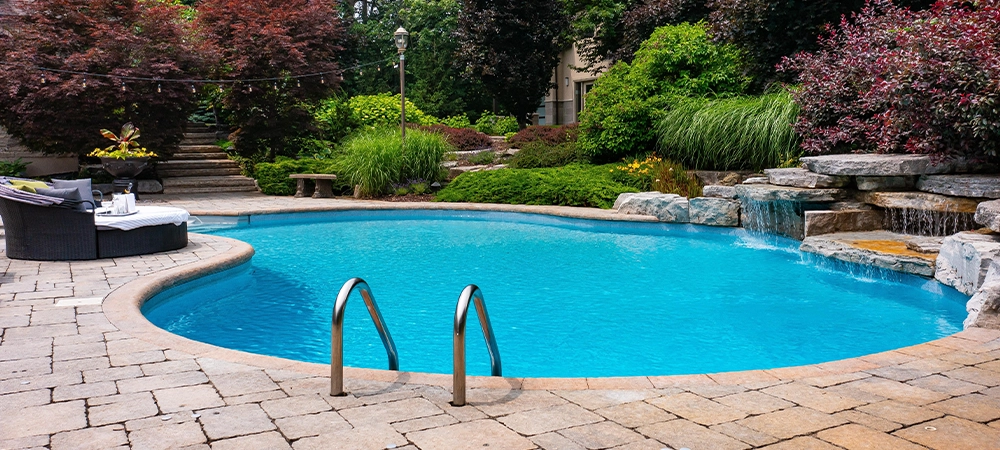
As a pool building company, we have to warn homeowners that building a pool can take time. We understand that you want the process to go as quickly as possible so that you can get your backyard back and enjoy your pool once it’s ready. Your material choices can affect how long installation takes, and fiberglass is by far the fastest material.
- Fiberglass pools benefit from controlled manufacturing processes in factory settings, allowing for precise quality control and rapid installation. Once the shells arrive on-site, fiberglass pool installation can be completed in as little as 2 to 3 weeks, minimizing disruption.
- Vinyl pools require more extensive on-site assembly and custom fitting of the liner, extending installation times to 5 to 10 weeks. Site preparation, soil conditions, and geographic location can also impact installation costs and timelines for both pool types.
Seasonal timing can impact installation costs, with off-peak seasons often leading to reduced labour costs.
Energy Efficiency and Climate Performance
Fiberglass pools excel in energy consumption efficiency due to their natural insulation properties and gel coat finish that retains heat better than vinyl liners. This results in lower heating costs and more consistent swimming temperatures. Fiberglass pools also withstand freeze-thaw cycles better, making them suitable for colder climates without risk of cracking or damage. Vinyl liners can become brittle in freezing temperatures, increasing the risk of tears and leaks.
Property Value and Return on Investment
The durability and low maintenance requirements are part of what make fibreglass a better investment. As a general rule, pools can deliver about a 7% boost to your home value, though in some cases, it will also change the types of buyers interested in your home. It’s typically something you do for your own personal enjoyment and family. That said, homes with fiberglass pools can command a higher premium in the real estate market compared to those with vinyl pools.
Modern Features and Smart Pool Technology
Both vinyl and fiberglass pools can integrate with modern smart pool technology. Automated chemical monitoring, remote control systems, and energy-efficient equipment improve pool management and reduce maintenance time. Fiberglass pools, with their smooth surface, are particularly compatible with automated cleaning systems, saltwater systems, and smart controls, offering a seamless and efficient swimming experience.
Customizability and Design Considerations
While vinyl liners offer greater flexibility in pool shape, size, and depth, fiberglass pools come in a variety of pre-engineered designs that cover most homeowner needs. If a highly customized pool is a priority, vinyl or gunite may be preferable. However, most fiberglass pools include popular built-in luxury features such as tanning ledges, benches, and seats, providing both functionality and style.
Choosing the Right Pool for You
Selecting the right pool depends on your budget, desired pool features, maintenance preferences, and long-term goals. Vinyl pools offer lower initial costs and design flexibility but require more upkeep and liner replacements. Fiberglass pools provide exceptional durability, faster installation, lower maintenance, and better energy efficiency, making them an excellent choice for homeowners seeking long-term satisfaction.
Around the Pool: Decking and Landscaping
Don’t forget about the materials you choose around your pool, either. When we work on a custom pool installation, we make sure we keep your entire backyard in mind, even if you’re doing your home renovations in phases. One important question to consider is decking or interlocking when it comes to the hard surfaces in your backyard. If you’re going to install a pool, you want to think about the transition between your deck or patio and the pool space. Some homeowners like the look of a wood deck leading right to their pool, although composite is a more durable material that won’t soak up as much water when you pop in and out of the pool. Others prefer the stone look of interlocking pavers. Related Article: Should I Build a Deck or a Patio?
Why Install a Backyard Pool This Year?
#1 Beat the Heat
Enjoy your summers outdoors and avoid the temptation to stay inside in air conditioning.
#2 Stress Relief
Swimming and relaxing by the pool are proven ways to reduce stress and improve mental well-being.
#3 Endless Entertainment
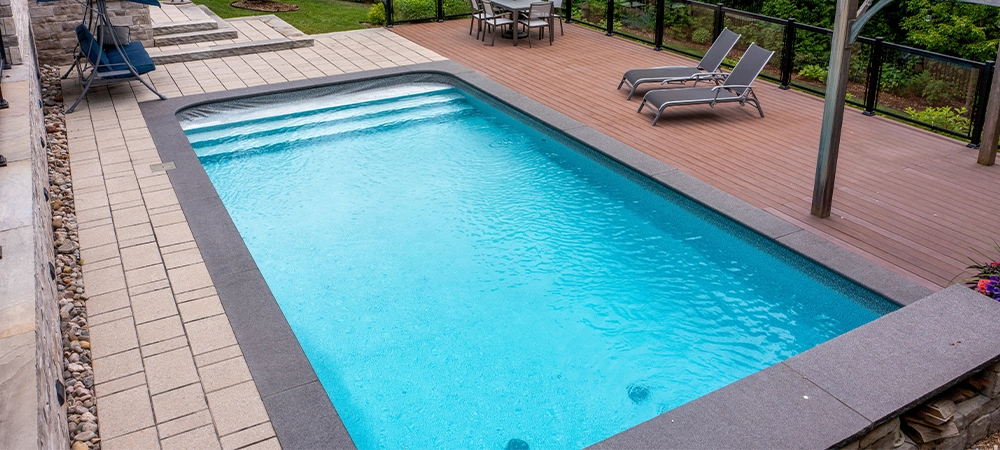
Pools create a social hub for family and friends, enhancing your home’s lifestyle.
Frequently Asked Questions
- How often do vinyl liners need to be replaced?
Vinyl liners typically require replacement every 6 to 10 years, depending on maintenance and environmental factors. - Can fiberglass pools be customized?
Fiberglass pools come in a range of pre-designed shapes and sizes, but custom shapes are limited compared to vinyl or gunite pools. - Are fiberglass pools compatible with saltwater systems?
Yes, fiberglass pools are highly compatible with saltwater chlorination systems due to their resistant gel coat finish. - Which pool type requires less maintenance?
Fiberglass pools generally require less maintenance and fewer chemicals than vinyl liner pools, as well as other pool types. - How long does installation take for each pool type?
Fibreglass pools typically install within 2 to 3 weeks, while vinyl pools may take 5 to 8 weeks, depending on site conditions.
Final Thoughts
Installing a pool is a major investment that can transform your home and lifestyle. Whether you choose a vinyl liner pool or a fiberglass pool, understanding the differences in durability, cost, maintenance, and installation will help you make the final decision that best fits your needs. Contact Green Side Up Contracting for expert guidance and a customized pool solution designed with your backyard in mind.